
Here at Little Smiles Pediatric Dentistry, our mission is to provide children with a dental home and make a difference in their lives. Our pediatric dentists and team go the extra mile to help both parents and children feel at ease while providing quality care that will help kids learn good oral habits and enjoy healthy smiles. Give us a call today to schedule your child’s appointment and learn more about pediatric dentistry at Little Smiles!
New Smiles Always Welcome!
Little Smiles Pediatric Dentistry
We Are Here to Help
From sealants and cleanings to sedation and oral health education, we are here to help. Call our office today!
BOARD CERTIFIED PEDIATRIC DENTIST
Brad Barlow, DDS
Dr. Brad Barlow is a Board Certified pediatric dentist, having earned his dental degree at the University of Iowa School of Dentistry prior to completing a two-year pediatric residency at Primary Children’s Medical Center in Salt Lake City, Utah. He loves helping children keep their smiles healthy and often works with children who have special needs or require care in a hospital or outpatient setting. Dr. Barlow is dedicated to creating a positive culture with loyal, trustworthy team members who provide every patient with a comfortable experience. Call today to make your appointment with our pediatric dentists!


CHILDREN’S GENERAL DENTIST
Daniel Delonas, DDS
Dr. Delonas was born and raised in Southeast Idaho. He served a mission for the Church of Jesus Christ of Latter-Day Saints in the Dominican Republic. After attending Snow College in Ephraim, Utah where he met his future wife, Alyssa, he returned to continue his studies at Idaho State University. He completed his dental school education at the University of Michigan and Advanced Education General Dentistry (AEGD) at Northwest Dental Residency. He is passionate about good oral health and cavity prevention. He loves to educate the patient and parent on how to improve their oral health. Dr. Delonas and his wife have four wonderful boys which keep them very busy! He enjoys spending time with his amazing wife and kids in his spare time, fishing and cheering for Boise State!
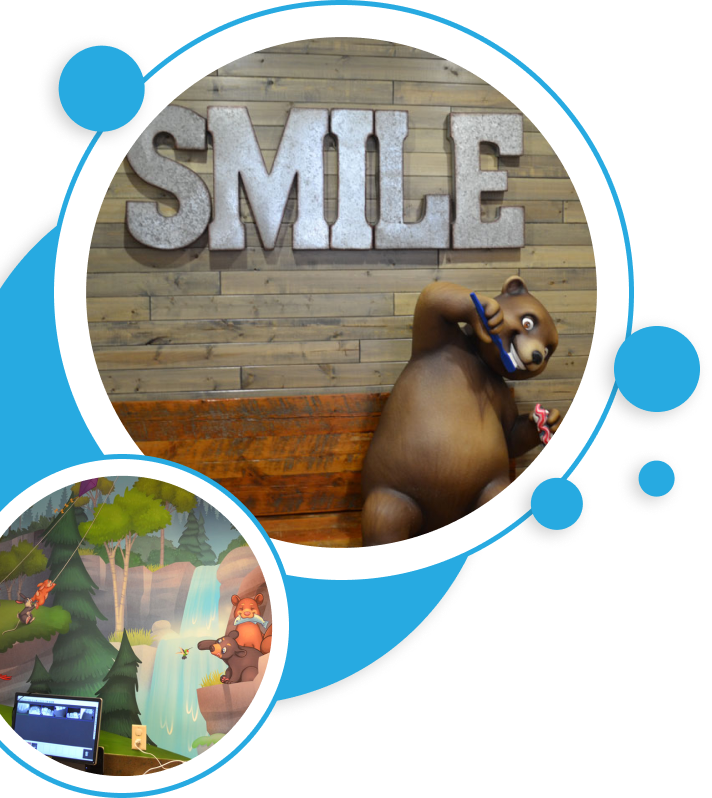
Your Child’s Comfort Matters!
Our office was designed to help children feel at home when they visit us. We are committed to helping your child feel at ease and have a positive experience so that they can avoid dental anxiety and feel relaxed when receiving any treatments they may need. We invite you to call Little Smiles Pediatric Dentistry to find out how we can help your child feel comfortable during their visit with our pediatric dentists and team!
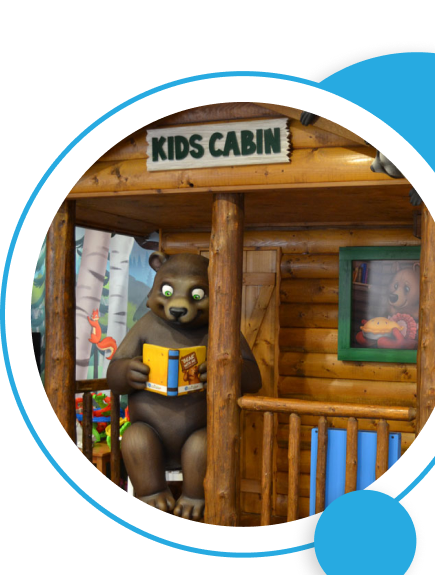
Our Amenities:
 Arcade games in the waiting room
A unique and comfortable atmosphere
Life-sized wall art and bright, positive colors
A gentle, caring approach to dental care